
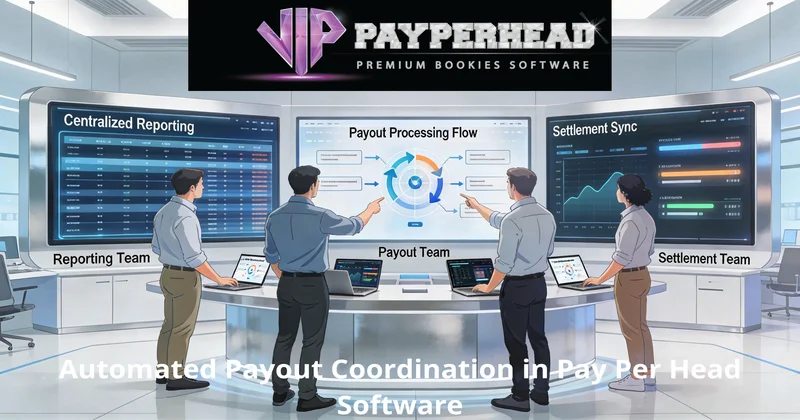
Pay per head payout automation plays a critical role inside modern sportsbook administration. Sportsbook operators manage continuous payout activity involving settlements, withdrawals, account adjustments, and transactional coordination throughout daily execution cycles. Without organized payout infrastructure, sportsbooks frequently encounter delayed processing, fragmented reporting visibility, and administrative inefficiencies across the operational environment.
Inside Pay Per Head structures, payout coordination extends far beyond simple withdrawal execution. Operators must organize how settlements, balance adjustments, account synchronization, and reporting updates interact throughout the payout process. Consequently, payout automation improves operational consistency while reducing friction across sportsbook financial workflows.
Many sportsbooks still rely on partially manual payout procedures. In practice, disconnected workflows often create reporting delays between settlement completion and payout execution. As a result, administrators may temporarily lose visibility into active payout conditions during periods of elevated transactional activity.
Modern Pay Per Head environments solve these challenges through centralized payout coordination infrastructure. Automated reporting systems organize withdrawal activity, settlement synchronization, and account visibility within one administrative environment designed specifically for sportsbook oversight.
Why Payout Coordination Matters
Payout coordination directly influences sportsbook operational stability. Administrators must maintain organized visibility into settlement movement, withdrawal processing, and account adjustments throughout the sportsbook structure. Delayed payout visibility frequently weakens financial coordination while creating reporting inconsistencies across active environments.
Operationally, payout activity rarely follows a static sequence. Some withdrawals process immediately following settlement completion, while other transactions require temporary review depending on account conditions or reporting synchronization. Therefore, sportsbooks require infrastructure capable of organizing payout movement continuously throughout operational workflows.
At the same time, fragmented payout workflows frequently create operational bottlenecks. Manual reconciliation procedures may delay reporting updates while disconnected balance tracking reduces administrative responsiveness. Consequently, sportsbooks struggle to maintain organized payout coordination during active transactional periods.
Common Problems Sportsbooks Experience With Manual Payout Workflows
One common issue involves delayed withdrawal coordination. Some sportsbooks manually review payout activity across disconnected reporting environments. Meanwhile, settlements continue processing dynamically throughout the sportsbook structure. Because of this, payout visibility may temporarily become inconsistent during active operational periods.
Another frequent problem involves fragmented balance synchronization. Withdrawal activity continuously affects account conditions, settlement positioning, and reporting visibility simultaneously. However, manual procedures often fail to maintain accurate coordination between these financial touchpoints.
Administrative complexity also increases inside multi-agent environments. Larger Pay Per Head structures frequently process payout movement across multiple account layers at the same time. Without centralized oversight, operators may struggle to maintain organized visibility regarding payout sequencing and transactional coordination.
Inconsistent reporting creates additional operational risk. Delayed payout updates may temporarily distort account positioning while increasing reconciliation pressure throughout the sportsbook environment. Consequently, operators require infrastructure capable of maintaining synchronized payout reporting continuously.
Modern Pay Per Head systems reduce these issues through automated payout coordination designed specifically for sportsbook administration. Operators can supervise withdrawal activity, settlement movement, and reporting synchronization from one centralized operational environment.
Within the Financial Control Systems in Pay Per Head Software, payout automation supports broader reporting coordination and administrative consistency throughout sportsbook operations. Similarly, the Pay Per Head Software: Infrastructure That Powers Bookies pillar explains how centralized sportsbook environments improve operational organization across scalable Pay Per Head structures.
How Payout Automation Functions Inside Pay Per Head Environments
Pay per head payout automation depends on continuous coordination between settlements, withdrawal requests, account balances, and reporting synchronization. Inside active sportsbook environments, payout conditions change constantly as transactional activity moves throughout the operational structure. Therefore, sportsbooks require infrastructure capable of organizing payout execution without creating reporting inconsistencies or administrative delays.
Modern Pay Per Head systems manage this process through centralized payout coordination environments designed specifically for sportsbook administration. Withdrawal activity, settlement movement, and balance adjustments synchronize dynamically while reporting dashboards maintain organized visibility across the operational environment. Consequently, operators improve administrative efficiency while reducing fragmented payout oversight.
Operationally, sportsbooks process payout activity continuously throughout the execution cycle. Settlements update account conditions while withdrawal requests affect balance positioning across multiple administrative layers simultaneously. Because of this, sportsbooks cannot rely on delayed manual workflows to maintain accurate payout coordination.
Automated payout infrastructure improves operational consistency substantially. Operators gain immediate visibility into withdrawal activity while monitoring broader financial coordination across the sportsbook structure. This reporting organization strengthens administrative responsiveness throughout active payout workflows.
Real-time payout visibility also improves transactional accuracy. Delayed synchronization frequently creates temporary inconsistencies between settlement completion and payout reporting visibility. In contrast, integrated Pay Per Head environments maintain organized payout coordination through continuously updated reporting systems.
Administrative Oversight and Withdrawal Coordination
Administrative oversight becomes increasingly important during active payout periods. Sportsbook operators frequently supervise settlements, withdrawal requests, account adjustments, and reporting synchronization simultaneously. Therefore, payout coordination infrastructure must support organized administrative visibility across operational workflows.
Many sportsbooks experience payout inefficiencies when withdrawal tracking remains disconnected from settlement coordination. Under these conditions, operators may struggle to identify delayed adjustments or inconsistent payout sequencing quickly. As a result, administrative response times weaken during elevated transactional periods.
Pay Per Head software improves this process through centralized reporting dashboards capable of consolidating payout visibility into one operational environment. Administrators can review withdrawal movement, settlement progression, and balance coordination without navigating fragmented reporting systems.
Consequently, sportsbooks require infrastructure capable of maintaining continuous payout visibility throughout changing operational conditions. Centralized reporting systems support this objective by organizing payout movement into synchronized monitoring environments designed for sportsbook administration.
Operational coordination also improves through automated reporting synchronization. Withdrawal activity directly affects account balances, financial visibility, and settlement positioning simultaneously. Therefore, sportsbooks benefit substantially from infrastructure capable of maintaining organized payout oversight throughout active execution cycles.
Settlement Coordination and Reporting Synchronization
Settlement coordination plays a major role inside payout automation workflows because withdrawal activity depends heavily on accurate balance synchronization. Once wagers settle, account balances update dynamically while payout conditions continue evolving across the sportsbook environment.
Operationally, sportsbooks require continuous visibility into settlement progression and payout sequencing to maintain organized transactional coordination. Delayed reporting environments frequently reduce payout accuracy while increasing reconciliation pressure during periods of elevated sportsbook activity.
Modern Pay Per Head systems solve this challenge through automated reporting synchronization infrastructure. Settlement activity updates dynamically while payout dashboards maintain organized visibility into withdrawal coordination across the operational structure. Consequently, sportsbooks improve payout consistency while reducing administrative friction.
At the same time, multi-agent environments create additional payout coordination complexity. Larger sportsbook structures frequently process settlement movement and withdrawal activity across several administrative layers simultaneously. Without centralized oversight, payout visibility may become fragmented throughout active transactional periods.
Integrated Pay Per Head environments improve this coordination through synchronized reporting systems capable of maintaining organized payout visibility continuously. Operators gain stronger oversight regarding settlement progression, withdrawal execution, and account synchronization across the sportsbook environment.
Administrative consistency also improves through centralized payout reporting. Sportsbooks that maintain synchronized payout visibility reduce reporting inconsistencies caused by disconnected workflows or delayed reconciliation procedures. Likewise, operators strengthen payout coordination throughout daily sportsbook activity while maintaining cleaner operational oversight.
Within the Financial Control Systems in Pay Per Head Software hub, payout automation supports broader administrative coordination and reporting organization throughout sportsbook environments. Similarly, the Pay Per Head Software: Infrastructure That Powers Bookies pillar explains how centralized Pay Per Head infrastructure improves settlement coordination, payout visibility, and operational efficiency across scalable sportsbook operations.
Optimizing Payout Coordination for Scalable Sportsbook Environments
Scalable sportsbook environments depend heavily on organized payout coordination. As transactional activity increases, operators must supervise larger volumes of financial movement and payout activity simultaneously. Therefore, sportsbooks require infrastructure capable of maintaining continuous payout visibility throughout expanding operational conditions.
Many sportsbooks experience administrative inefficiencies when payout workflows fail to scale correctly. Fragmented reporting environments frequently create inconsistencies between settlements, withdrawals, and account positioning. Consequently, operators lose operational clarity while supervising larger sportsbook structures during active payout periods.
Modern Pay Per Head software improves scalability through centralized payout coordination designed specifically for sportsbook administration. Operators can supervise withdrawal activity, monitor settlement progression, and maintain organized payout visibility from one integrated reporting environment.
Administrative responsiveness also improves through automated payout infrastructure. Sportsbook operators frequently process withdrawal movement alongside settlements, account adjustments, and reporting synchronization simultaneously. Because of this, organized payout visibility strengthens operational coordination substantially during elevated transactional activity.
At the same time, scalable payout environments require continuous reporting consistency across all administrative layers. Delayed synchronization procedures frequently create temporary visibility gaps that complicate withdrawal coordination throughout the sportsbook structure. Consequently, sportsbooks benefit from infrastructure capable of maintaining uninterrupted payout oversight during active workflows.
Integrated Pay Per Head systems support this objective through automated payout reporting designed for centralized sportsbook administration. Withdrawal activity remains synchronized while dashboards organize settlement coordination into structured operational environments. As a result, sportsbooks improve payout consistency while reducing administrative friction.
Reducing Payout Delays and Reporting Inefficiencies
Payout inefficiencies frequently originate from disconnected withdrawal coordination procedures. Many sportsbooks still depend on partially manual payout oversight environments that weaken synchronization accuracy during high-activity periods. Under these conditions, administrators may struggle to maintain organized visibility into payout movement.
Delayed reporting updates also reduce withdrawal coordination efficiency. Settlement activity continuously affects payout conditions as balances update dynamically throughout sportsbook operations. Therefore, sportsbooks require infrastructure capable of maintaining uninterrupted payout synchronization across operational workflows.
Modern Pay Per Head environments solve this challenge through centralized payout reporting architecture. Operators gain immediate visibility into withdrawal activity while monitoring settlement coordination from one structured administrative environment. This operational organization improves reporting consistency significantly.
Another important advantage involves reconciliation accuracy supported by established financial control methodologies. Sportsbooks relying on fragmented payout oversight frequently experience inconsistencies between settlements, withdrawal requests, and reporting visibility. Consequently, administrative coordination becomes more difficult during periods of elevated sportsbook activity.
Automated payout coordination reduces these issues through continuously synchronized reporting environments. Withdrawal visibility remains organized while operators supervise payout sequencing, settlement progression, and transactional movement throughout the sportsbook structure.
VIP Pay Per Head Payout Coordination Infrastructure
VIP Pay Per Head provides infrastructure designed to improve payout automation, withdrawal coordination, and administrative visibility throughout sportsbook environments. Operators can supervise payout movement, review settlement progression, and monitor reporting synchronization from one centralized operational environment.
The platform supports synchronized payout visibility through integrated reporting dashboards designed specifically for Pay Per Head sportsbook administration. Consequently, sportsbooks maintain stronger oversight into withdrawal coordination while improving operational consistency throughout daily payout workflows.
Modern sportsbook environments require infrastructure capable of maintaining organized payout synchronization across settlements, account adjustments, withdrawal requests, and reporting visibility. VIP Pay Per Head improves this process through continuously updated payout reporting systems capable of supporting stable sportsbook administration.
Administrative responsiveness also improves through centralized payout monitoring environments. Operators frequently supervise multiple transactional categories simultaneously while coordinating settlements, withdrawal activity, and account synchronization. Therefore, organized payout infrastructure becomes essential for maintaining efficient sportsbook oversight.
VIP Pay Per Head additionally supports scalable operational organization through centralized reporting systems capable of maintaining synchronized payout visibility across larger sportsbook structures. Operators gain stronger administrative clarity while reducing reporting inconsistencies caused by fragmented withdrawal coordination procedures.
Inside the Financial Control Systems in Pay Per Head Software hub, payout automation supports broader sportsbook reporting consistency and administrative coordination. Likewise, the Pay Per Head Software: Infrastructure That Powers Bookies pillar explains how centralized Pay Per Head infrastructure improves payout organization, settlement visibility, and scalable sportsbook operational efficiency across modern sportsbook environments.
Request a VIP Pay Per Head demo today to explore how automated payout coordination, synchronized reporting visibility, and centralized withdrawal monitoring can improve sportsbook operational efficiency across scalable Pay Per Head environments.