
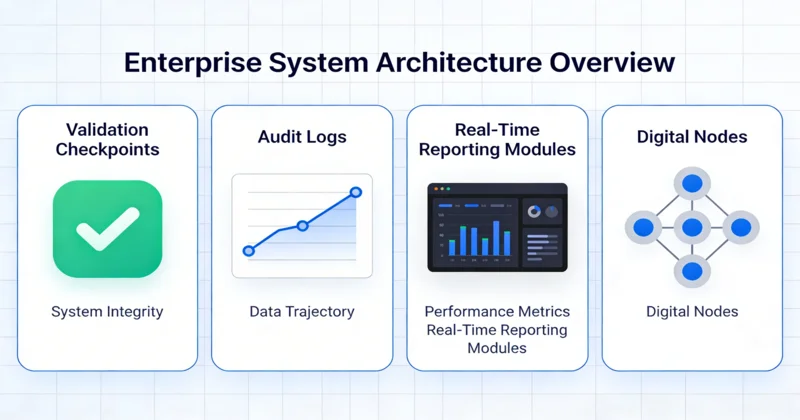
A structured pay per head operational workflow controls how well a sportsbook platform works behind the scenes. While many operators focus on front-end tools, long-term stability depends on backend execution. In other words, the real strength of the platform lives in its internal systems. Workflow design controls how tasks move, how permissions apply, and how automation reduces manual work.
Inside professional Pay Per Head software, operational workflow is not an extra feature. Instead, it forms part of the system from the start. Every admin action, role-based permission, and automated trigger follows clear system rules. As a result, operators manage sportsbook environments without using disconnected tools.
Understanding pay per head operational workflow helps operators measure platform quality. Without structured workflow design, sportsbooks depend on manual coordination. However, as volume increases, manual systems begin to fail. Errors grow. Oversight weakens. Clarity declines. Therefore, workflow design becomes a key factor when choosing a Pay Per Head platform.
Why Operational Workflow Defines Platform Performance
Operational workflow controls how efficiently a platform completes tasks. It directs how data moves across the sportsbook backend. More importantly, it keeps execution consistent.
At first, manual processes may seem manageable. However, as agent networks grow and activity increases, complexity rises. Without workflow automation, operators rely on human tracking. Over time, that approach cannot scale.
Professional Pay Per Head platforms divide workflow into clear stages:
Task start
System validation
Automated processing
Activity logging
Reporting output
Each stage works inside the platform. Therefore, operators do not need outside systems to stay in control.
For evaluation purposes, this structure is critical. It shows whether a platform supports growth or slows it down.
Core Workflow Layers Inside Pay Per Head Software
A strong pay per head operational workflow includes several built-in parts.
First, the admin control panel acts as the main command center. Every workflow begins here. Operators assign roles, set permissions, and adjust system settings. These controls guide automated actions.
Second, system triggers handle repeated tasks. For example, account updates, activity tracking, and system alerts follow preset rules. The platform processes them instantly. As a result, no manual action is needed.
Third, workflow validation protects system stability. The platform checks each action against role limits and permission settings. This step prevents unauthorized changes and reduces risk.
Fourth, reporting tools turn workflow data into clear insights. Real-time dashboards allow operators to review activity across agent levels. Consequently, visibility improves and oversight strengthens.
Together, these layers create stable backend execution.
Automation vs Manual Oversight
Automation plays a central role in pay per head operational workflow. However, automation does not remove operator authority. Instead, it improves control.
When workflows run automatically, operators reduce repeated tasks. At the same time, they lower dependence on constant supervision. Meanwhile, reporting tools maintain full visibility.
Manual systems demand ongoing monitoring. In contrast, automated systems provide structured oversight. Therefore, this difference directly impacts scalability.
For operators reviewing platforms, the level of automation reveals software strength. Platforms that depend heavily on manual adjustments often lack true workflow structure.
By comparison, professional Pay Per Head software builds automation directly into backend logic. As a result, performance remains stable even as activity grows.
Agent Access & Role-Based Workflow Control
Role-based access management inside operator control pay per head systems shapes operational clarity. Each user level operates within defined boundaries. The system enforces those boundaries automatically.
This design prevents workflow overlap. It also protects system stability.
Professional platforms separate:
- Master operator controls
- Agent-level access
- Administrative privileges
Each level triggers workflows within its defined scope. The system tracks all actions through audit logs.
As a result, operators gain structured oversight without micromanaging daily activity.
Workflow Stability as a Scalability Requirement
Scalability depends on workflow stability and professional sportsbook operations environments. When backend processes function consistently, platforms handle growth smoothly.
Without structured pay per head operational workflow, growth creates friction. Tasks slow down, reporting lags and control weakens.
Therefore, workflow design directly impacts long-term performance.
Real-Time Visibility Inside the Operational Workflow
A mature pay per head operational workflow does not only automate tasks. It also creates real-time sportsbook execution systems. Visibility transforms workflow from a mechanical process into a decision-support system.
When workflow events occur, the platform records them instantly. Operators can review account activity, administrative actions, and system adjustments without delay. This transparency strengthens operational control.
In contrast, disconnected systems often create reporting gaps. Manual tracking introduces delays. By the time an operator identifies an issue, it may have already escalated.
Professional Pay Per Head software eliminates this lag. Every workflow trigger feeds directly into reporting dashboards. This structure allows operators to monitor system activity continuously.
Moreover, visibility is not limited to raw data. Advanced platforms categorize activity into structured views. Operators can filter by role, timeframe, or action type. This improves clarity and reduces investigative time.
When evaluating a platform, operators should examine how workflow activity appears in reporting modules. Clear visibility reflects strong backend design.
Audit Trails and Workflow Accountability
Accountability remains a core requirement inside any scalable sportsbook platform. Therefore, pay per head operational workflow must include detailed audit trails.
Every action within the system generates a record. These records include timestamps, user identification, and event type. The platform stores them securely.
Audit trails serve multiple purposes. First, they reinforce internal discipline. Second, they support dispute resolution. Third, they allow operators to trace irregularities back to their source.
Without audit logging, workflow transparency declines. Operators lose confidence in backend integrity.
Modern Pay Per Head platforms embed audit tracking directly into workflow architecture. Operators do not activate it manually. The system records events automatically.
Additionally, structured audit trails help during platform evaluation. They demonstrate whether the software supports enterprise-level oversight.
Workflow Consistency Across Role Levels
Operational clarity depends on predictable execution. Therefore, pay per head operational workflow must maintain consistency across all role levels.
When master operators configure settings, those settings cascade through defined layers. Agents operate within assigned boundaries. Administrative privileges remain segmented.
This hierarchy does not require complex engineering from the operator. Instead, the platform enforces it internally.
Consistency prevents role overlap. It also reduces confusion during daily activity.
For example, when workflow automation handles repetitive backend processes, each role receives appropriate system feedback. Notifications and reporting remain structured.
Operators should evaluate whether workflow behavior changes unpredictably across user levels. Inconsistent logic signals weak architecture.
By contrast, structured Pay Per Head software maintains uniform execution standards across the entire platform.
System Stability Under Operational Load
Workflow design must function reliably under increasing volume. Stability becomes visible when activity spikes.
If workflow logic relies heavily on manual triggers, performance may degrade under pressure. However, event-driven automation distributes system processing more efficiently.
In a well-designed pay per head operational workflow, backend execution follows optimized processing paths. Tasks queue properly. Reports refresh consistently. Permissions validate instantly.
Operators must consider stability when evaluating platforms. Scalability depends on it.
Furthermore, system-level workflow stability reduces operator stress. Instead of troubleshooting bottlenecks, operators focus on oversight.
Reducing Operational Friction Through Automation
Friction appears when operators repeat tasks manually. Over time, friction reduces productivity.
Pay per head operational workflow removes repetitive processes through automation. Automated adjustments, structured validations, and predefined task routing eliminate unnecessary steps.
However, automation does not eliminate human authority. Instead, it reduces low-value manual intervention.
Operators retain configuration control. The system handles execution.
When workflow automation functions properly, operators experience:
- Faster administrative processing
- Reduced error exposure
- Clear reporting outputs
- Stable role enforcement
These outcomes increase platform confidence.
As operators evaluate workflow maturity, they should identify how many processes require manual oversight versus automated logic. Mature platforms lean toward automation.
Workflow Architecture as a Competitive Advantage
Many providers discuss pricing, but a professional pay per head software overview reveals the importance of workflow architecture. However, workflow architecture determines long-term viability.
A structured pay per head operational workflow enhances:
- Backend clarity
- Administrative speed
- Platform reliability
- Growth readiness
Operators who understand workflow architecture make stronger software decisions.
How to Evaluate Pay Per Head Operational Workflow Before Choosing a Platform
A strong pay per head operational workflow should be visible during platform evaluation. Operators should not rely on marketing descriptions alone. Instead, they must examine how the software executes tasks in real time.
First, review how workflows initiate. Does the system rely on manual adjustments, or does it use event-driven triggers? Automated triggers indicate structured backend design.
Second, analyze permission validation. When users attempt administrative actions, the platform should instantly enforce access limits. Delayed validation signals weak workflow control.
Third, test reporting speed. Real-time dashboards should reflect workflow activity without lag. If reporting updates slowly, the underlying workflow may lack optimization.
Fourth, examine audit logging. Every workflow event must generate a transparent record. Strong logging reflects mature system architecture.
These evaluation steps allow operators to assess platform capability objectively.
Workflow Transparency as a Decision Factor
Transparency strengthens confidence. Therefore, pay per head operational workflow must operate visibly, not silently.
Operators should see:
- Administrative changes
- Role-based adjustments
- System notifications
- Activity logs
- Reporting updates
When workflow logic operates behind closed processes without reporting feedback, oversight weakens.
In professional Pay Per Head platforms, transparency remains a core design principle. Operators can trace actions and confirm execution without external tracking.
This transparency reduces dependency on manual reconciliation. It also builds trust in the platform.
Operators who prioritize visibility during evaluation reduce long-term operational risk.
Aligning Workflow with Long-Term Scalability
Scalability depends on structured execution. As volume increases, workflow complexity expands. Platforms that lack structured pay per head operational workflow struggle under growth.
During evaluation, operators should ask:
- Does the system handle multiple simultaneous actions smoothly?
- Does reporting remain stable under activity spikes?
- Do role-based permissions remain consistent at scale?
Platforms designed with enterprise architecture answer yes to these questions.
In addition, API integrations in pay per head platforms influence workflow automation and system communication. Scalable workflow design includes:
- Distributed processing
- Structured validation logic
- Optimized reporting engines
- Segmented role control
These elements protect performance during expansion.
Operators planning growth should prioritize workflow depth over cosmetic features.
Why Workflow Architecture Drives Platform Confidence
Workflow architecture influences operator confidence more than surface features. When backend processes function predictably, operators gain control.
A mature pay per head operational workflow delivers:
- Structured automation
- Real-time reporting
- Secure audit tracking
- Role-based consistency
- Stable backend execution
These components reduce manual stress and increase operational clarity.
Software should enable oversight, not create dependency.
Operators who understand workflow depth make stronger platform decisions. They evaluate beyond interface design and examine system behavior.
This approach supports informed decision-making.
WHY OPERATIONAL WORKFLOW DEFINES PLATFORM STRENGTH
Pay per head operational workflow forms the backbone of sportsbook backend performance. It determines how tasks execute, how roles interact, and how automation protects system integrity.
Without structured workflow architecture, platforms rely on manual coordination. Manual systems limit scalability and increase risk.
By contrast, professional Pay Per Head software integrates workflow logic directly into system design. Automation reduces friction. Validation enforces control. Reporting preserves visibility.
Operators evaluating Pay Per Head platforms should prioritize workflow maturity. Platform strength depends on backend execution consistency, not cosmetic features.
For a comprehensive walkthrough of how workflow design integrates into the VIP Pay Per Head platform, request a structured platform overview or schedule a guided software walkthrough.
Understanding workflow architecture today prevents operational limitations tomorrow.
Request a VIP Pay Per Head Platform Walkthrough
If you are evaluating Pay Per Head software, understanding operational workflow is essential. VIP Pay Per Head provides structured backend systems, automation-driven controls, and real-time administrative visibility designed for serious operators.
Schedule a guided platform walkthrough and explore how our system architecture supports scalable sportsbook operations.
Schedule a VIP Pay Per Head platform walkthrough.